
Our Services
Storytelling shapes how people experience an environment over time. Rather than presenting information as isolated elements, spaces are structured as journeys where ideas, identity, and values unfold progressively.
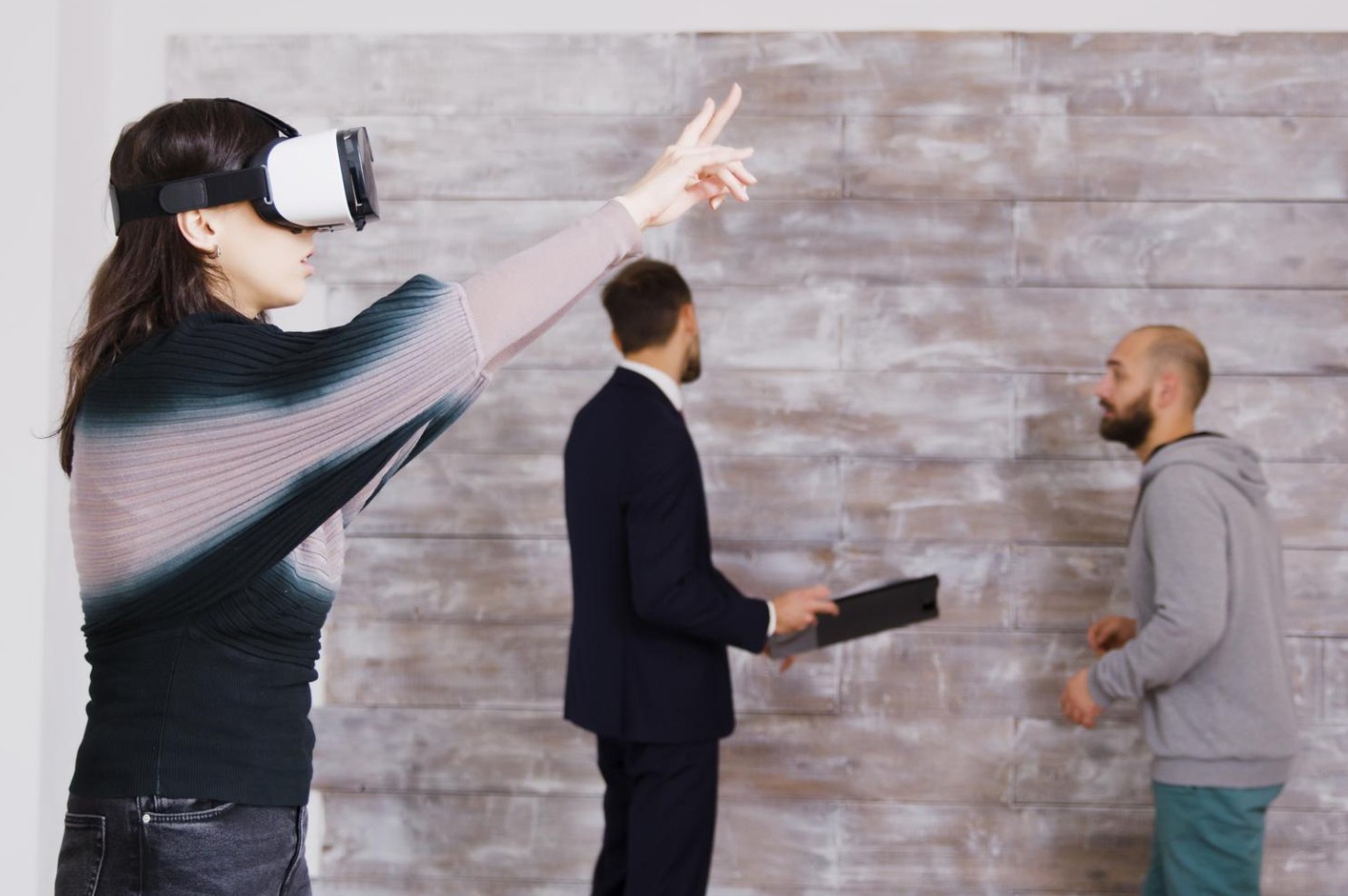
Our team approaches environments as powerful mediums of communication.
Through spatial sequencing, visual language, and thematic continuity, we translate complex ideas into experiences that people can explore and understand intuitively. Each zone within a space becomes part of a larger narrative, guiding visitors through discovery, reflection, and engagement.
Design concepts are developed using story frameworks, experience mapping, and visualisation techniques that allow clients to see how their narrative will unfold spatially. Whether communicated through installations, graphics, media, or spatial transitions, the goal is to ensure that every element contributes to a coherent story.
We have helped organisations create environments that communicate institutional vision, celebrate identity, and inspire audiences through immersive storytelling. Regardless of the scale of the project, narrative clarity remains central to every design decision.
01
Understanding the core message, vision, and themes that the environment should communicate.
02
Structuring the narrative into spatial journeys, zones, and engagement moments that guide the visitor experience.
03
Translating the story into design elements such as graphics, media, installations, and spatial transitions.
04
Implementing the narrative through design and execution to create a cohesive and impactful spatial experience.
01
Every storytelling environment begins with understanding the message behind the space.
Through collaborative sessions, we explore the organisation’s history, vision, achievements, and aspirations. These insights form the foundation for defining the key themes and ideas that the environment should communicate.

02
Once the narrative is defined, it is structured into a spatial storytelling framework.
Key themes are translated into zones, visitor journeys, and engagement moments that guide people through the experience. The goal is to create a clear narrative progression where each space builds upon the previous one.
03
The story is then translated into tangible design elements.
Graphics, installations, digital media, lighting, and spatial transitions are carefully developed to communicate ideas clearly while maintaining visual and experiential continuity across the environment.

04
During design development and execution, the narrative remains the central guiding principle.
Every element from spatial flow to media integration is implemented to ensure the final environment delivers a cohesive and memorable experience that communicates the intended story with clarity and impact.
Related service


%401x.svg)
.png)
.png)
.png)


.svg)